Get Lightning Protection Service
Lightning Protection Service providers install systems to safeguard buildings and equipment from lightning strikes, handling projects like grounding, rod installation, and system maintenance.
Property owners in the area considering lightning protection services can find valuable assistance by exploring local contractors specializing in this work. Properly planning and installing lightning protection systems is an important step in safeguarding buildings, equipment, and valuable assets from potential storm-related damage. Comparing options among nearby service providers can help ensure that the chosen solutions meet specific property needs and adhere to best practices for safety and reliability.
Continuing to explore available services allows property owners to gather information about the range of solutions offered by local contractors. Whether installing new systems or upgrading existing ones, working with experienced service providers can help ensure that lightning protection measures are effectively integrated into the property’s overall safety plan. Keep reading to find trusted local options that can support your project’s requirements.
- Commercial buildings - when large structures require lightning protection to safeguard equipment and occupants.
- Residential homes - in need of lightning protection systems to prevent damage during storms.
- Industrial facilities - when complex electrical systems need to be shielded from lightning strikes.
- Agricultural structures - to protect barns, silos, and equipment from lightning-related hazards.
- Public infrastructure - such as schools and government buildings requiring reliable lightning safety measures.
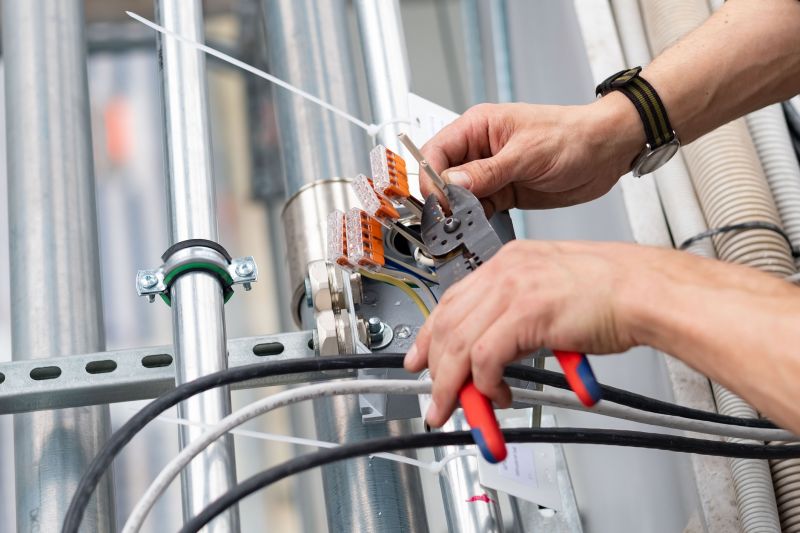
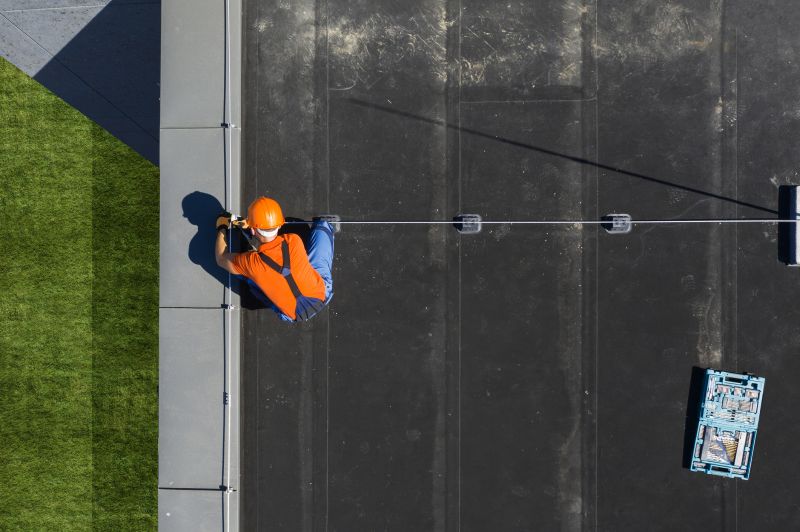
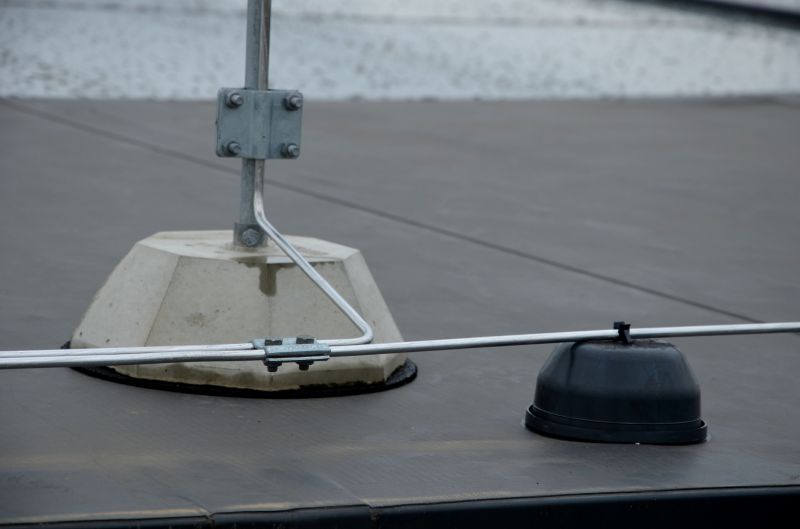
Lightning protection services involve installing specialized systems designed to safeguard properties from the damaging effects of lightning strikes. These systems typically consist of lightning rods, grounding wires, and surge protectors that work together to direct the electrical energy safely into the ground. Proper installation helps prevent fires, electrical damage, and structural harm caused by lightning strikes, providing peace of mind for property owners in areas prone to thunderstorms. Engaging experienced local contractors ensures that the lightning protection system is correctly designed and installed to meet the specific needs of each property.
Many common problems can be mitigated with effective lightning protection. Without proper safeguards, a lightning strike can cause immediate damage to electrical appliances, electronics, and wiring, leading to costly repairs or replacements. In some cases, lightning can ignite fires or compromise the structural integrity of a building. Installing a lightning protection system helps reduce these risks by providing a controlled path for electrical energy, minimizing the chance of damage or injury. Property owners who have experienced previous lightning incidents or live in high-risk zones are often advised to consider these services to enhance safety and protect their investments.
Lightning protection services are suitable for a variety of property types, including residential homes, commercial buildings, industrial facilities, and agricultural structures. Homes with tall trees nearby or structures with tall features like towers or antennas are especially vulnerable to lightning strikes. Commercial and industrial properties often require more extensive systems to protect sensitive equipment and ensure business continuity. Agricultural properties, such as barns and silos, also benefit from lightning protection to prevent damage to equipment and stored goods. Any property that faces a higher risk of lightning strikes can benefit from consulting with local contractors to determine the appropriate protection measures.
By working with local service providers, property owners can find tailored lightning protection solutions that fit their specific needs. These professionals assess the property’s location, structure, and risk factors to recommend the most effective system design. Properly installed lightning protection systems not only help prevent damage but also contribute to the overall safety of the property and its occupants. Whether for a single-family home or a large commercial site, connecting with experienced local contractors ensures that the installation meets safety standards and provides reliable defense against lightning-related hazards.
The overview below groups typical Lightning Protection Service projects into broad ranges so you can see how smaller, mid-sized, and larger jobs often compare in your area.
In many markets, a large share of routine jobs stays in the lower and middle ranges, while only a smaller percentage of projects moves into the highest bands when the work is more complex or site conditions are harder than average.
Smaller Repairs - Typical costs for routine lightning protection repairs or minor upgrades usually fall between $250 and $600. Many projects in this range involve replacing or repairing components on existing systems. Larger or more complex repairs can sometimes reach $1,000 or more, but most fall within the lower to middle ranges.
System Installations - Installing a new lightning protection system generally costs between $1,200 and $3,500 for most residential or small commercial properties. Many installations are completed within this range, though larger or more intricate setups may exceed $4,000 depending on the scope of work.
Full System Replacement - Replacing an entire lightning protection system typically costs between $3,500 and $7,000. Larger, more complex projects for commercial buildings or extensive properties can reach $10,000 or more, but most projects fall into the middle of this range.
Maintenance and Inspection - Regular inspections and maintenance services usually cost between $150 and $400 per visit. Many routine inspections land in this range, with larger or more detailed assessments occasionally exceeding $500 depending on property size and system complexity.
Actual totals will depend on details like access to the work area, the scope of the project, and the materials selected, so use these as general starting points rather than exact figures.
Electrical System Installation - Installing complex electrical systems requires knowledge of wiring, grounding, and safety protocols similar to those used in lightning protection setups.
Storm Damage Repair - Repair projects involving storm damage often include assessing structural integrity and implementing protective measures comparable to lightning protection planning.
Metal Roofing Projects - Metal roofing installation and maintenance involve working with conductive materials and grounding techniques akin to lightning protection systems.
Gutter and Downspout Installation - Properly grounding and directing electrical charges in gutter systems shares skills with lightning strike mitigation strategies.
Structural Reinforcement Services - Reinforcing building structures for wind or seismic resistance requires planning and installation skills similar to those used in lightning protection.
High-Voltage Equipment Setup - Installing and maintaining high-voltage equipment involves electrical grounding and safety procedures comparable to lightning protection services.
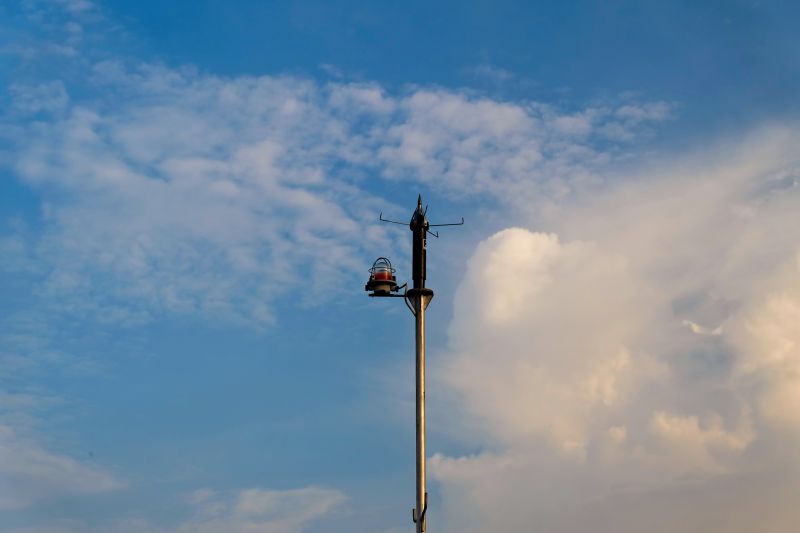
When comparing service providers for lightning protection systems, it’s important to consider their experience with similar projects. Homeowners should look for local contractors who have a proven track record in installing lightning protection systems on residential properties similar in size and structure. An experienced provider is more likely to understand the specific requirements of the local environment and building codes, ensuring the system is effective and compliant.
Clear, written expectations are essential to ensure both parties are aligned on the scope of work. Homeowners should seek providers who offer detailed descriptions of their services, including the materials used, installation procedures, and any warranties or guarantees. Having this information in writing helps prevent misunderstandings and provides a reference point should questions or issues arise during or after the project.
Reputable references and good communication are key indicators of a reliable service provider. Homeowners can request references from previous clients or review testimonials to gauge the quality of past work. Additionally, providers who communicate clearly and promptly can help clarify project details, answer questions, and keep homeowners informed throughout the process. It’s important to remember that these local contractors handle the installation; the site serves as a resource to connect homeowners with trusted professionals in their area.
Property owners use Lightning Protection Service services for practical projects around their homes and businesses. This guide focuses on everyday jobs and straightforward project options.
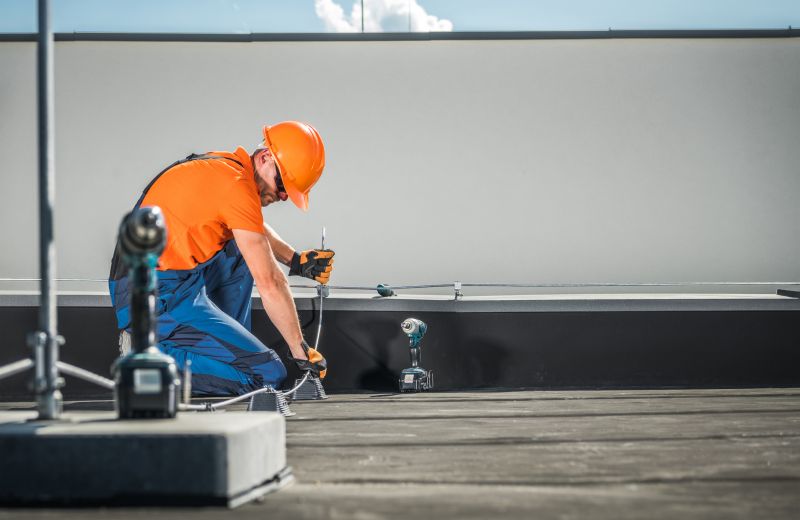
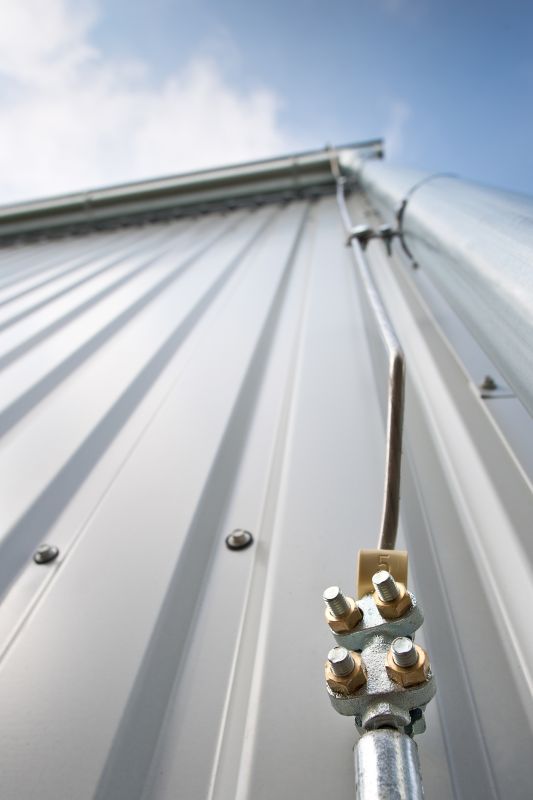
Lightning protection services are often needed for properties in areas prone to thunderstorms or frequent lightning activity. Property owners may seek out local contractors to install or upgrade lightning rods and grounding systems to help reduce the risk of damage to structures, electrical systems, and valuable equipment. These projects are common for residential homes, commercial buildings, and industrial facilities looking to enhance safety and protect their investments from the unpredictable forces of nature.
In addition to new installations, property owners might contact local service providers for inspections, maintenance, or repairs of existing lightning protection systems. Ensuring that lightning rods and grounding components are functioning properly can be a key step in safeguarding properties from lightning strikes. Local contractors who specialize in lightning protection can assess individual needs and recommend solutions tailored to specific property types and locations.
What is lightning protection service? Lightning protection service involves installing systems designed to safeguard structures from lightning strikes by directing the electrical energy safely into the ground.
Why should I consider lightning protection for my property? Installing lightning protection can help prevent damage to your building and its contents, reducing the risk of fire, electrical surges, and other hazards caused by lightning strikes.
What types of lightning protection systems are available? There are various systems, including air terminals (lightning rods), grounding systems, and surge protectors, which can be installed by local service providers based on your property’s needs.
How do I find local contractors for lightning protection services? You can contact service providers in your area who specialize in lightning protection to compare options and get connected with the right professional for your project.
Are lightning protection systems required by building codes? Building codes may specify requirements for lightning protection in certain types of structures, so consulting with local contractors can help ensure compliance and proper installation.
Protecting Residential Roofs - Local contractors can install lightning protection systems on home rooftops to help prevent damage during thunderstorms.
Securing Commercial Buildings - Business property owners can enhance safety by adding lightning rods and grounding systems to large structures.
Safeguarding Outdoor Spaces - Outdoor areas like patios and gardens can benefit from lightning protection to reduce the risk of fire or injury.
Upgrading Historic Structures - Preservation projects can include lightning protection to maintain the integrity of older buildings while ensuring safety.
If you are thinking about Lightning Protection Service for a property, this guide is meant to help you understand the work, the typical project types, and how different options might fit your plans.
When you are ready, you can use the quote form on this page to share a few details about your project. From there, local pros can review the basics and respond with options that match what you have in mind.