Get Energy Audit Service
Energy audit services help property owners identify energy inefficiencies and recommend improvements for projects like insulation, HVAC systems, and lighting upgrades.
Energy audits are a practical step for property owners interested in understanding and improving their building’s energy efficiency. Conducting an assessment can reveal areas where energy consumption may be higher than necessary, helping owners plan updates or improvements with confidence. By exploring options from local contractors, property owners can compare different approaches and find solutions tailored to their specific needs, ensuring that renovation or upgrade projects are well-informed and effectively targeted.
Choosing to work with service providers in the area ensures access to experienced professionals familiar with local building characteristics and regulations. This can make the process smoother and more straightforward as property owners consider their options for optimizing energy use. Continuing to read can provide valuable insights into how local contractors can assist in planning projects that enhance comfort, reduce waste, and support long-term property management goals.
- Residential Energy Audits - homeowners may need this service to identify ways to improve energy efficiency in their homes.
- Commercial Energy Audits - businesses might seek this work to reduce operational costs and optimize energy use.
- Industrial Energy Assessments - factories and large facilities can benefit from detailed evaluations to enhance energy performance.
- Building Envelope Inspections - property owners may require this to detect air leaks and improve insulation effectiveness.
- Energy Efficiency Consulting - property managers and developers look for expert advice to implement energy-saving upgrades.
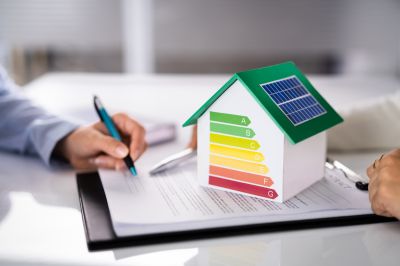
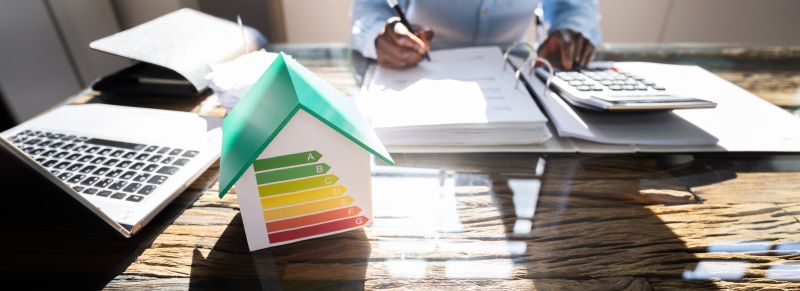
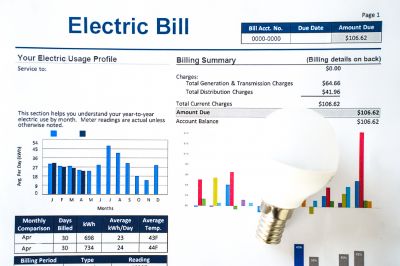
Energy audit services involve a detailed assessment of a property's energy use to identify areas where efficiency can be improved. During an audit, a professional evaluates insulation, heating and cooling systems, windows, doors, and lighting to pinpoint sources of energy loss or waste. The process often includes inspecting the building’s structure and systems to gather data that highlights opportunities for reducing energy consumption and lowering utility bills. This service provides homeowners with a clear understanding of how their property uses energy and what steps can be taken to optimize performance.
Many common problems can be addressed through an energy audit, such as uneven heating or cooling, drafts, high utility bills, and cold spots in the home. These issues often stem from poor insulation, outdated HVAC equipment, or air leaks around windows and doors. An energy audit helps identify these specific issues, enabling homeowners to make informed decisions about upgrades or repairs. Addressing these problems can lead to increased comfort, improved indoor air quality, and potential savings on energy costs over time.
Energy audits are typically performed on residential properties, including single-family homes, multi-family buildings, and sometimes small commercial spaces. Homeowners who notice their energy bills are unusually high, experience inconsistent temperatures, or want to improve their home’s comfort may find this service especially beneficial. It’s also useful for those planning renovations or upgrades, as it provides a comprehensive overview of where energy efficiency improvements can be most effective. Local service providers can tailor their recommendations to suit the specific needs of different property types.
Choosing to have an energy audit performed can be a practical step for homeowners seeking to improve their property’s efficiency and comfort. By working with local contractors experienced in energy assessments, homeowners gain insights into potential upgrades and repairs that can make a noticeable difference. Whether addressing drafty areas, upgrading insulation, or optimizing heating and cooling systems, an energy audit offers valuable information to guide cost-effective improvements. Contacting a qualified service provider can help identify the best solutions for each property’s unique needs.
The overview below groups typical Energy Audit Service projects into broad ranges so you can see how smaller, mid-sized, and larger jobs often compare in your area.
In many markets, a large share of routine jobs stays in the lower and middle ranges, while only a smaller percentage of projects moves into the highest bands when the work is more complex or site conditions are harder than average.
Basic Energy Audits - these typically cost between $250 and $600 for many smaller, routine inspections. Most projects fall within this range, covering standard assessments of energy use and efficiency. Larger or more detailed audits can exceed this range, depending on the property's size and complexity.
Comprehensive Audits - more in-depth evaluations usually range from $600 to $1,500. Many local contractors handle these mid-tier assessments, which include detailed analysis and recommendations for energy improvements. Larger commercial or complex residential properties may see costs above this range.
Targeted Equipment Checks - inspecting specific systems like HVAC or insulation can cost between $150 and $400. These smaller projects often stay in this lower range, with fewer requiring extensive work beyond initial diagnostics. Larger projects involving multiple systems may push costs higher.
Full Property Evaluations - extensive audits for large or complex buildings can range from $2,000 to over $5,000. Many such projects fall into the higher end of this spectrum, especially when detailed testing and customized recommendations are involved. Smaller, routine assessments are less costly and more common.
Actual totals will depend on details like access to the work area, the scope of the project, and the materials selected, so use these as general starting points rather than exact figures.
Building Energy Modeling - local contractors use similar analysis and planning skills to assess energy performance and identify efficiency opportunities in buildings.
HVAC System Optimization - professionals evaluate and improve heating, ventilation, and air conditioning systems, requiring detailed system assessments akin to energy audits.
Insulation and Air Sealing Projects - specialists identify areas for improving insulation and sealing leaks, which involves detailed analysis of building envelopes similar to energy audits.
Lighting Efficiency Evaluations - service providers analyze lighting systems to recommend upgrades, requiring assessment techniques comparable to those used in energy audits.
Renewable Energy System Assessments - local pros evaluate the feasibility and integration of solar or other renewable systems, involving planning and analysis skills similar to energy audits.
Building Envelope Inspections - professionals examine walls, roofs, and windows for energy loss, using inspection methods similar to those in energy auditing services.
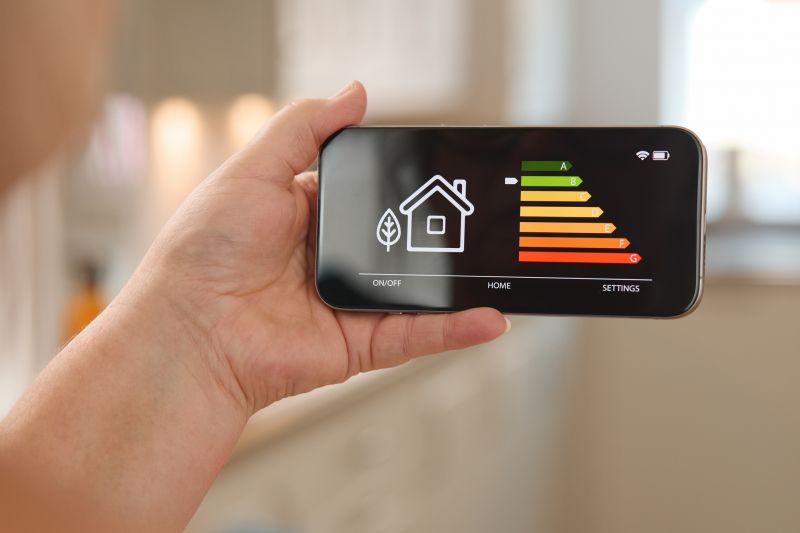
When comparing service providers for an energy audit, it’s important to consider their experience with similar projects. Homeowners should look for local contractors who have a proven track record of conducting energy assessments in homes comparable to theirs. This experience can indicate familiarity with common issues and effective solutions, helping ensure the audit is thorough and tailored to the specific needs of the property. Asking for details about past projects or areas of specialization can provide insight into their expertise and confidence in handling energy evaluations similar to what’s needed.
Clear, written expectations are essential when choosing a service provider for an energy audit. Homeowners should seek out local contractors who can provide a detailed scope of work, outlining what the audit will include and what areas will be examined. Having this information in writing helps prevent misunderstandings and ensures everyone is aligned on the process. It also allows homeowners to evaluate whether the proposed approach matches their concerns and goals, fostering transparency and confidence in the service provider’s professionalism.
Reputable references and good communication are key factors to consider when selecting local pros for an energy audit. Homeowners are encouraged to ask for references from previous clients who have had similar work done. Speaking with past customers can reveal insights into the contractor’s reliability, thoroughness, and professionalism. Additionally, effective communication-such as responsiveness, clarity in explanations, and willingness to answer questions-can make the process smoother and more comfortable. These qualities help ensure that the homeowner’s expectations are understood and that the service provider can deliver a comprehensive and accurate energy assessment.
Property owners use Energy Audit Service services for practical projects around their homes and businesses. This guide focuses on everyday jobs and straightforward project options.
Energy audit services are often sought by property owners who want to identify ways to reduce energy bills and improve overall efficiency. Homeowners and business owners might notice higher-than-expected utility costs or experience discomfort due to uneven heating or cooling. In these situations, local contractors can perform comprehensive assessments to pinpoint areas where energy is being wasted, such as poor insulation, inefficient HVAC systems, or air leaks. These simple, targeted evaluations help property owners understand their energy use and explore potential improvements.
Additionally, property owners may pursue energy audits when preparing for renovations or upgrades to ensure their investments lead to meaningful savings. Whether upgrading windows, adding insulation, or installing new appliances, understanding the current energy performance of a property can guide smarter decisions. Local service providers are available to conduct these assessments, providing insights that support cost-effective improvements and better comfort within the property.
What is an energy audit? An energy audit is an assessment conducted by local contractors to evaluate how energy is used in a building and identify opportunities for efficiency improvements.
How can an energy audit benefit my home or business? An energy audit can help identify areas where energy is wasted, leading to potential savings and improved comfort through targeted upgrades and modifications.
What does an energy audit typically include? It usually involves inspecting insulation, HVAC systems, lighting, and appliances to determine where energy consumption can be optimized.
Who performs energy audits? Local service providers, such as contractors specializing in energy efficiency, conduct these assessments to provide tailored recommendations.
How do I find a qualified professional for an energy audit? You can contact local contractors through a lead generation platform that connects homeowners and businesses with experienced service providers in your area.
Identify energy inefficiencies - An energy audit helps property owners pinpoint areas where energy is wasted, enabling targeted improvements to reduce utility bills.
Improve heating and cooling efficiency - Audits reveal how heating and cooling systems perform, guiding upgrades to enhance comfort and reduce energy use.
Enhance insulation and sealing - Property owners can use audit insights to improve insulation and seal leaks, making indoor spaces more comfortable year-round.
Plan cost-effective upgrades - An energy audit provides practical recommendations for upgrades that can improve energy performance without unnecessary expenses.
If you are thinking about Energy Audit Service for a property, this guide is meant to help you understand the work, the typical project types, and how different options might fit your plans.
When you are ready, you can use the quote form on this page to share a few details about your project. From there, local pros can review the basics and respond with options that match what you have in mind.